
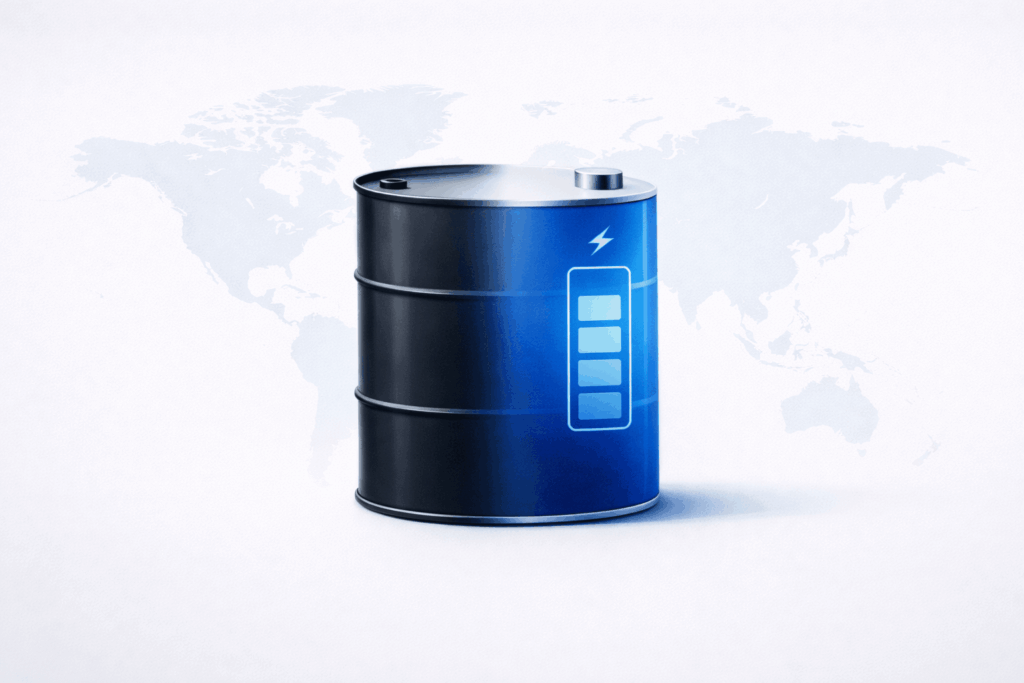

A few weeks ago, I found myself staring at wholesale energy prices late into the night, trying to decide whether to lock in supply for the months ahead.
As an interim General Manager of a UK energy supplier being a client of NovAzure’s, this is part of the job. But recently, it has felt less like analysis and more like emotional endurance. Prices swing wildly. Headlines contradict each other. One moment the market whispers stability, the next it screams disruption.
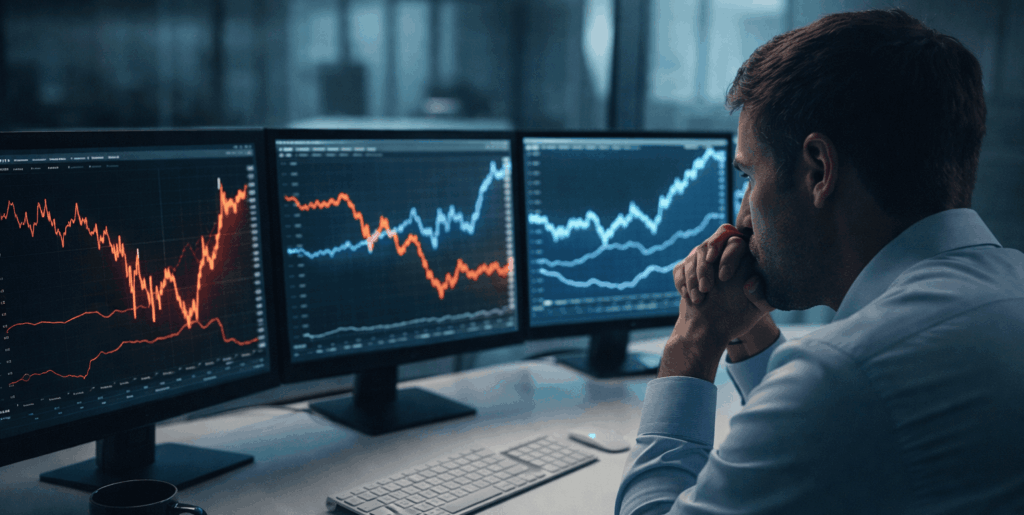
My father, a trader, used to say: “Trade the rumour, sell the fact.”
Simple advice, until you realise that in today’s geopolitical environment, it’s getting impossible to tell what a rumour and what a fact really is.
The escalating tensions around Iran have turned energy markets into a live wire. Oil and gas prices are no longer just about supply and demand, they are about fear, expectation, and anticipation of events that may or may not happen.
And in that uncertainty lies a much bigger story.
The New Energy Divide
Not all countries are exposed equally. Those heavily dependent on imported oil and gas are, bluntly, in a fragile position and following the Cuba example, they can be held at ransom. Every geopolitical shock whether in the Middle East, Ukraine, or elsewhere, translates directly into economic pressure, inflation, and political instability.
Others, however, are beginning to decouple. Countries with high levels of electrification, strong renewable capacity, and diversified energy systems are far more resilient. They are not immune, but they are buffered. Their exposure to global fossil fuel volatility is structurally lower.
This is no longer just an environmental argument. It is a strategic one.
Short-Term Politics vs Long-Term Security
One of the most striking contrasts today is not between regions, but between mindsets. Many democracies, driven by election cycles and short-term public pressure, tend to react towards short term gains rather than plan. When prices spike, the instinct is to shield consumers immediately, often through subsidies, caps, or short-term fixes.
Understandable, but dangerous?
Yes if a crisis we “manage” remains without serious structural change. In contrast, the countries and organisations that are thinking long-term are asking different questions:
- How do we reduce exposure to volatile imports?
- How do we build domestic, renewable generation capacity?
- How do we turn energy from a liability into an asset?
The Rise of Energy Sovereignty
If there is one lesson from the current geopolitical landscape, it is this: Energy independence is no longer optional, it is foundational.
We are seeing three major shifts accelerate:
1. Local Renewable Generation
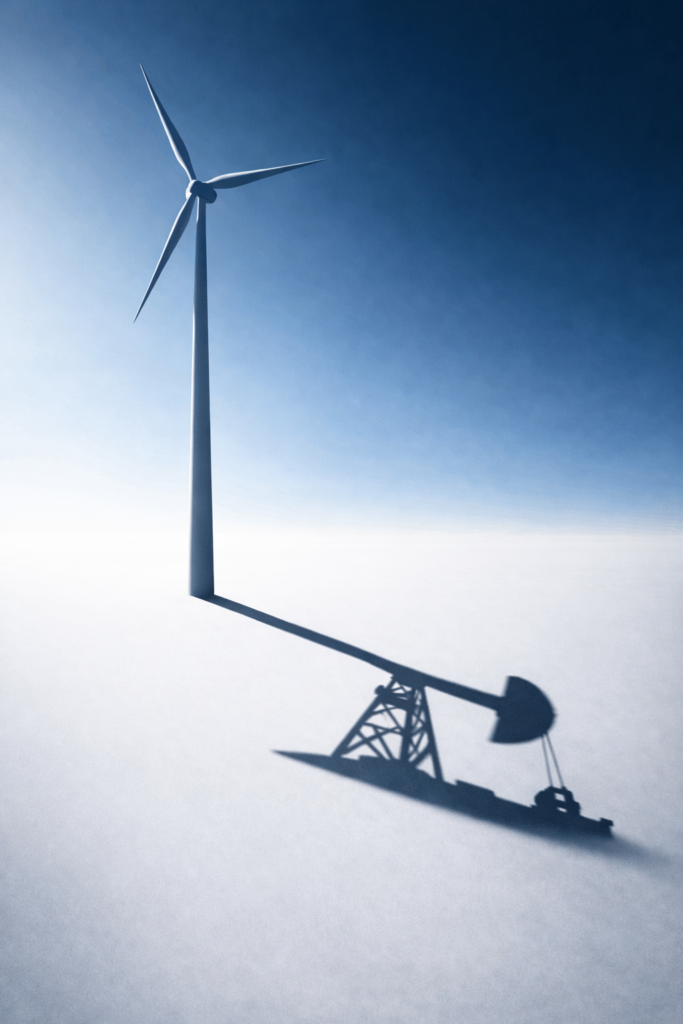
Solar, wind, and other renewables are no longer just about decarbonisation. They are about control. The more energy a country can produce locally, the less it is exposed to geopolitical shocks. This is why investment in renewables will continue to surge—not despite instability, but because of it.
2. Storage as the Missing Piece
Renewables alone are not enough. Intermittency remains a challenge. Short-term storage (like batteries) and long-term solutions (such as hydrogen and other emerging technologies) are becoming critical infrastructure (albeit at different paces). Without them, renewable systems and their key advantages remain incomplete.
3. Interconnectivity and Regional Strength
No country is an island, at least not in energy terms. Recent events in Spain have highlighted both the strengths and vulnerabilities of interconnected systems. When designed well, interconnectors provide resilience, allowing countries to balance supply and demand across borders. When stressed, they expose systemic weaknesses – leading to a black out in the worst case.
The future will require smarter, more robust regional energy networks—not less connectivity, but better-designed connectivity.
Markets, Psychology, and Reality
Back at my desk for our UK Energy Supplier, watching the markets move like a Yo-Yo, the question remains the same:
Is the glass half full or half empty?
The truth is, it depends on your time horizon. In the short term, volatility will remain. Traders will continue to navigate rumours, reacting to headlines and sentiment. Prices will spike, fall, and spike again.
But in the long term, the direction is clearer. Every geopolitical shock is accelerating a structural transition that was already underway. Every crisis is reinforcing the need to move away from dependency and toward resilience.
From Reaction to Strategy
What we are witnessing is not just another energy crisis. It is a transition moment. And it’s one I’ve been experiencing firsthand.
Over the past weeks, sitting in front of volatile wholesale markets, the focus has been on getting the hedging strategy right, locking in supply at the right time, balancing risk, trying to read a market driven as much by headlines as by fundamentals. That remains essential. But it is no longer sufficient. Because hedging against volatility is, at best, a defensive move.
The more strategic shift, the one that is becoming impossible to ignore, is the move toward local, green power generation through Power Purchase Agreements (PPAs). Not just to offer greener supply to achieve a higher degree of sustainability. But to fundamentally diversify risk.
As wholesale prices spike, many of these PPAs once seen as marginal or even expensive, are suddenly becoming not only viable, but attractive. They may not always represent the absolute cheapest deal in the moment. But that is no longer the only metric that matters. Coming from a Shell background, one lesson stands out: planning security is often undervalued, until it isn’t, until it’s too late.
In a world that is becoming increasingly geopolitically unstable, the equation is shifting.
It is no longer purely about optimising for price. It is about ensuring continuity, resilience, and control. Or put differently: Security is starting to “trump” profitability. Because in the end, the real risk is not paying slightly more for energy. It is not having access to it “reasonably priced” when you need it most.
The NovAzure Perspective: Turning Volatility into Competitive Advantage
At NovAzure, we see this moment not just as a disruption, but as a clear shift in how energy needs to be managed. Not only as a producer of energy, but also as a user. The companies that will come out ahead are not those reacting fastest to price swings. They are the ones structuring their energy transition strategy to reduce exposure altogether. This is where we focus.
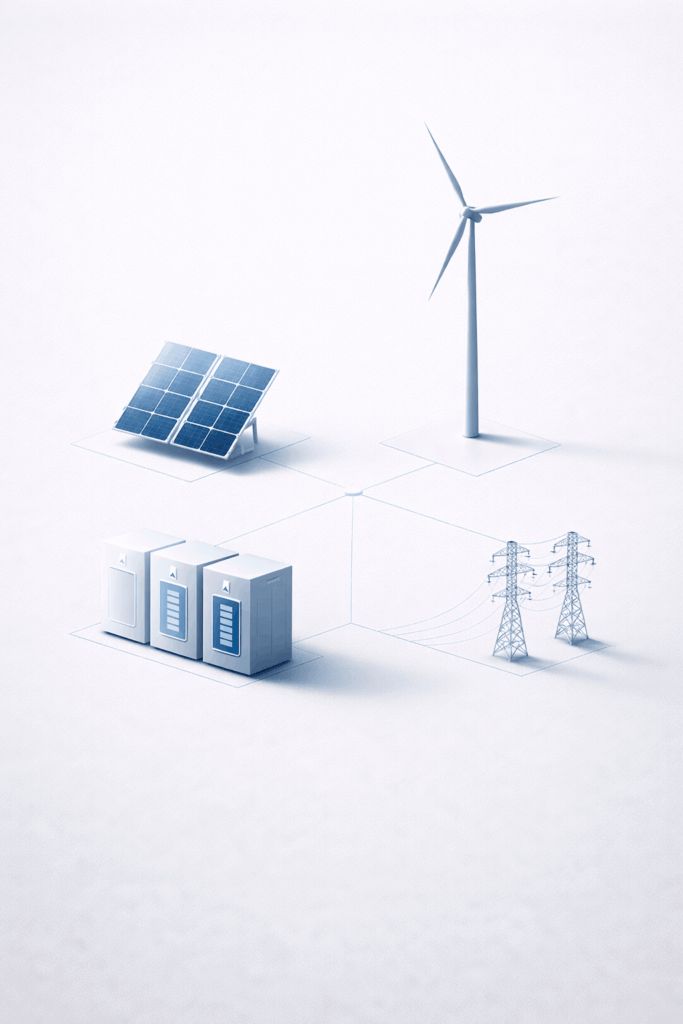
We work with energy suppliers, corporates, innovators and investors to move beyond traditional procurement and hedging strategies, towards integrated energy transition strategies that combine:
- Power Purchase Agreements (PPAs) for long-term price stability
- Onsite and local generation to reduce dependency
- Storage and flexibility solutions to manage intermittency and optimise cost
- Using Innovation for Portfolio optimisation across supply, generation, and consumption
The objective is simple:
Reduce risk. Increase control. Unlock long-term value. In today’s market, this is no longer optional.
We are already seeing organisations reassess their positions as wholesale volatility increases. Deals that were previously considered “nice to have”, such as renewable PPAs, are quickly becoming core components of risk management strategies. Because the question is no longer: “What is the cheapest energy today?” or following sustainable solutions…
It is: “How do we build an energy position that remains resilient tomorrow?”
A Practical Shift
For many organisations, this transition does not require a complete overhaul.
It starts with the right questions:
- Where are we most exposed to market volatility?
- What portion of our demand could be secured through structured agreements?
- How can local generation or partnerships reduce dependency?
From there, the opportunity is to design energy strategies that align with both commercial objectives and risk appetite.
Let’s Talk
If you are currently reviewing your energy strategy or simply questioning whether your current approach is fit for an increasingly volatile world, we are always open to sharing perspectives.
Because in the end, the biggest risk is not market volatility.
It is being unprepared for it.